
Introduction
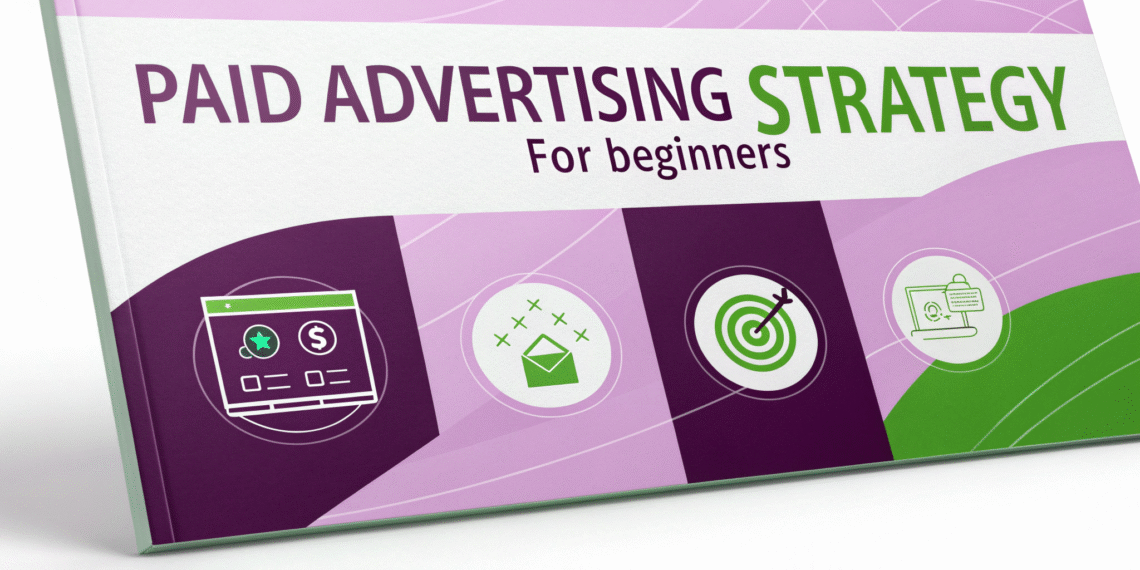
Paid advertising strategy for beginners is the fastest way to generate traffic, leads, and sales when done correctly in 2025.Paid advertising is the fastest way to generate traffic, leads, and sales for any business. However, it can also be a massive money sink if done incorrectly. The key to a profitable paid advertising strategy for beginners is not having the biggest budget; it’s mastering the fundamentals, understanding your audience, and letting the data lead your decisions. I’ve managed over $1M in ad spend for small businesses and startups, and the most consistent mistake I see is beginners treating ads like a lottery. This guide breaks down the essential 7-step process—from budget setting to creative design and scaling—that separates the winners from those who just waste cash. By implementing this practical, E-E-A-T-focused strategy, you will build a solid foundation for profitable ad campaigns on platforms like Google, Meta (Facebook/Instagram), and TikTok in 2025.
Paid Advertising Strategy for Beginners: Define Your Core Campaign Goal
Objective is Everything: Do not run ads without a clear, measurable goal.
Goal Examples: Increase brand awareness (least common), drive traffic, capture leads (most common for beginners), or generate sales (e-commerce).
Actionable Step: Define one primary KPI (Key Performance Indicator) for the first month. Example: Acquire 100 new email leads at $3 or less per lead.
Paid Advertising Strategy for Beginners: Audience & Offer Targeting
Audience Avatar: Clearly define who you are targeting (age, interests, pain points, job title).
The Irresistible Offer: Your ad must promise clear value. Example: Instead of “Sign up for our newsletter,” use “Get the Free 5-Step Checklist to Automate Your Business.”
E-E-A-T Focus: Your ad copy should showcase your expertise and authority by solving a real problem immediately.
Choose the Right Platform for Your Product
Google Ads (Search): Best for high-intent users actively searching for a solution (“buy running shoes near me”). High intent, but higher cost.
Meta Ads (Facebook/Instagram): Best for interrupt marketing and generating awareness/leads (showcasing your solution to an unknown problem). Lower cost, lower immediate intent.
TikTok/YouTube: Best for video-first, creative, and younger audiences (fastest growing).
Tip for Beginners: Start with Meta Ads for lead generation (low-cost entry) or Google Search Ads for high-intent sales if you have a product.
Implement the Budget & Bidding Strategy
Start Small: Begin with a minimum viable budget ($10–$20 per day) for testing.
Bidding: For beginners, choose automated bidding strategies like Maximize Clicks or Maximize Conversions (once you have conversion data). Manual bidding can be too risky.
The 3x Rule: Never test a campaign with less than 3 times your target CPA (Cost Per Acquisition). If you want leads for $5, run the campaign until you spend $15 to get reliable data.
Develop Killer Ad Creative and Copy
Visuals are 80%: Use high-quality, attention-grabbing visuals. For Meta and TikTok, use UGC (User Generated Content) style videos—they feel more authentic.
Copy Structure: Use the AIDA framework (Attention, Interest, Desire, Action).
Attention: Start with a strong hook or question.
Interest: Introduce the problem you solve.
Desire: Explain the unique benefit of your offer.
Action: Clear CTA button.
Tool Tip: Use Canva AI to quickly generate different visual sizes for each platform.
Set Up Tracking and Conversion Events (The Non-Negotiable)
Tracking: Install the relevant platform pixel (Meta Pixel, Google Tag) on your website.
Conversion Events: Track the specific actions that meet your goal (e.g., Lead Submitted, Product Purchased, Button Clicked). If you don’t track, you can’t optimize.
Mistake to Avoid: Launching ads without confirming the tracking pixel is firing correctly.
Analyze, Iterate, and Scale
The Decision Rule: If your campaign is profitable (ROI > 1) or meets your CPA goal, gradually increase the budget by 10–20% every few days.
The Kill Rule: If the campaign costs 3x your target CPA without a conversion, pause it immediately.
A/B Testing: Simultaneously test different headlines, visuals, and audience groups. Kill the underperformers and duplicate the winners.
Case Studies: Beginner Paid Ad Success
Case Study 1 — Local Service Provider (Google Search): Targeted only high-intent local long-tail keywords (“emergency plumber service near me”). Result: High-quality leads at a lower cost per acquisition ($20) than generic terms ($50).
Case Study 2 — Fitness E-book (Meta Ads): Used a video ad featuring a user-generated testimonial (UGC style) targeting “new moms interested in home workouts.” Result: Scaled the ad to $50/day while maintaining a 3.5x Return on Ad Spend (ROAS).
FAQs About Paid Advertising Strategy
How much should a beginner budget for paid ads? Start with $10–$20 per day for 7–10 days to gather data. A total test budget of $150–$300 is recommended.
What is the best platform for lead generation? Facebook/Instagram (Meta Ads) often provides the lowest cost per lead for beginners in most industries.
Should I use manual or automated bidding? Beginners should use automated bidding (e.g., Maximize Conversions) until they have a solid understanding of optimization.
What is a “good” ROAS (Return on Ad Spend)? Generally, 2x is required to break even (covering product cost and ad spend). A profitable ROAS is typically 3x or higher.
What is ad fatigue? When an audience sees the same ad too many times and stops engaging. Rotate your creative every 3–4 weeks.